
Information only. This guide is general education, not professional, legal, or financial advice, and it does not contain quotes or estimates. Rules, prices, and best practices vary by location, so confirm details with your local building department and qualified professionals.
Five questions to ask first
- Safety: could a mistake injure someone or cause a fire, flood, or collapse?
- Skill: have you done something like this before, and do you know what “done right” looks like?
- Tools: do you have, or can you affordably borrow or rent, what the job really needs?
- Time: how long will it take you compared with a professional, and what will your home be like in the meantime?
- Rules: does the work need a permit, an inspection, or a licensed trade where you live?
Jobs that often suit a DIY approach
- Interior painting and patching small drywall holes.
- Replacing cabinet hardware, light fixtures with simple swaps (with power off), and faucets in existing connections.
- Weatherstripping, caulking, and small seasonal maintenance tasks.
- Simple landscaping, mulching, and building basic shelving.
Even “easy” jobs go better with preparation: read instructions, watch reputable tutorials, and keep safety gear on hand.
Jobs that usually call for a professional
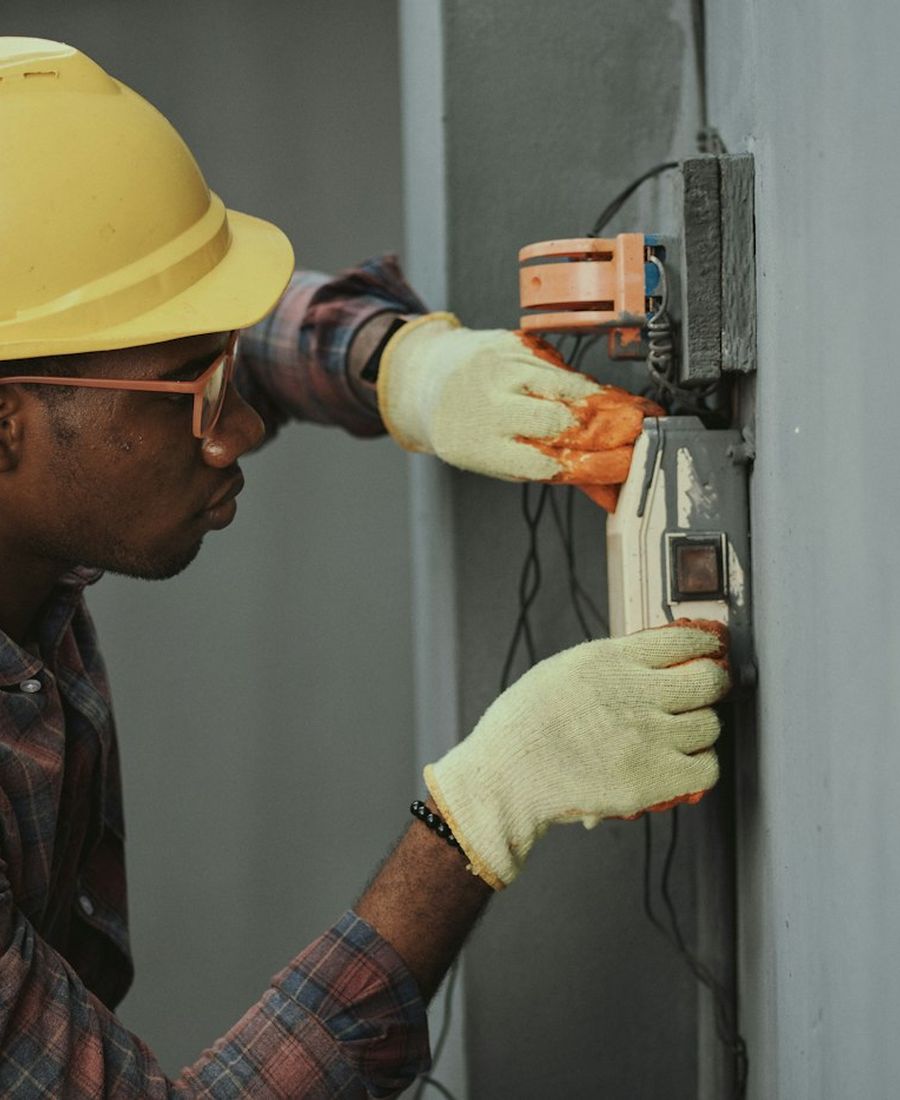
- Electrical panel and wiring changes, and gas line work.
- Structural changes such as removing or altering walls or framing.
- Roof replacement, and work at heights.
- Major plumbing changes and sewer lines.
- Work involving asbestos, lead paint, or mold in older homes.
Many places require a licensed professional or a permit for electrical, gas, and plumbing work. Unpermitted work can create safety problems and complications when you sell or file an insurance claim.
Count the real cost of DIY
DIY does not always cost less. Include tools, waste from mistakes, your time, and the cost of fixing errors. On the flip side, hiring out does not guarantee a perfect result either, which is why choosing carefully matters. Our contractor checklist can help.
A hybrid approach
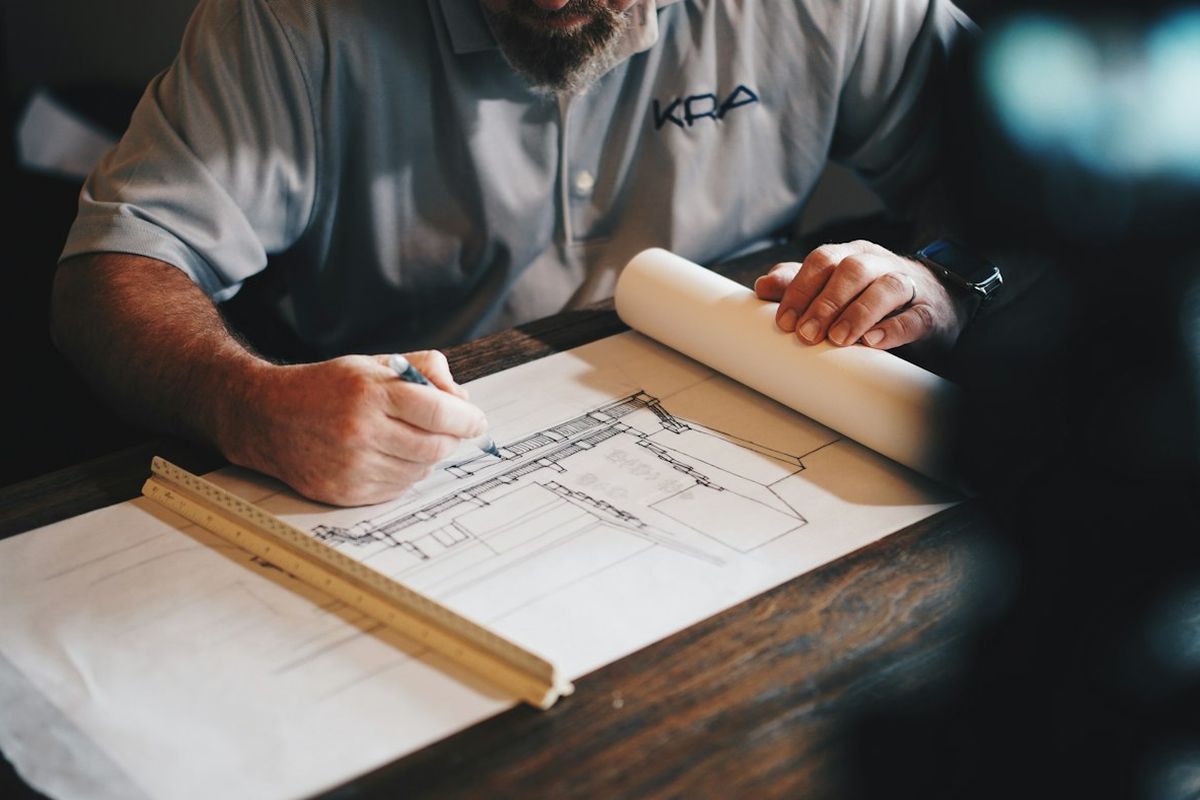
Many homeowners split the work: they hire a professional for the specialized, regulated, or risky parts, and handle demolition prep, painting, or finish work themselves. Agree on the division of labor in writing so everyone knows who is doing what and when.