Information only. This guide is general education, not professional, legal, or financial advice, and it does not contain quotes or estimates. Rules, prices, and best practices vary by location, so confirm details with your local building department and qualified professionals.
Start with a condition check
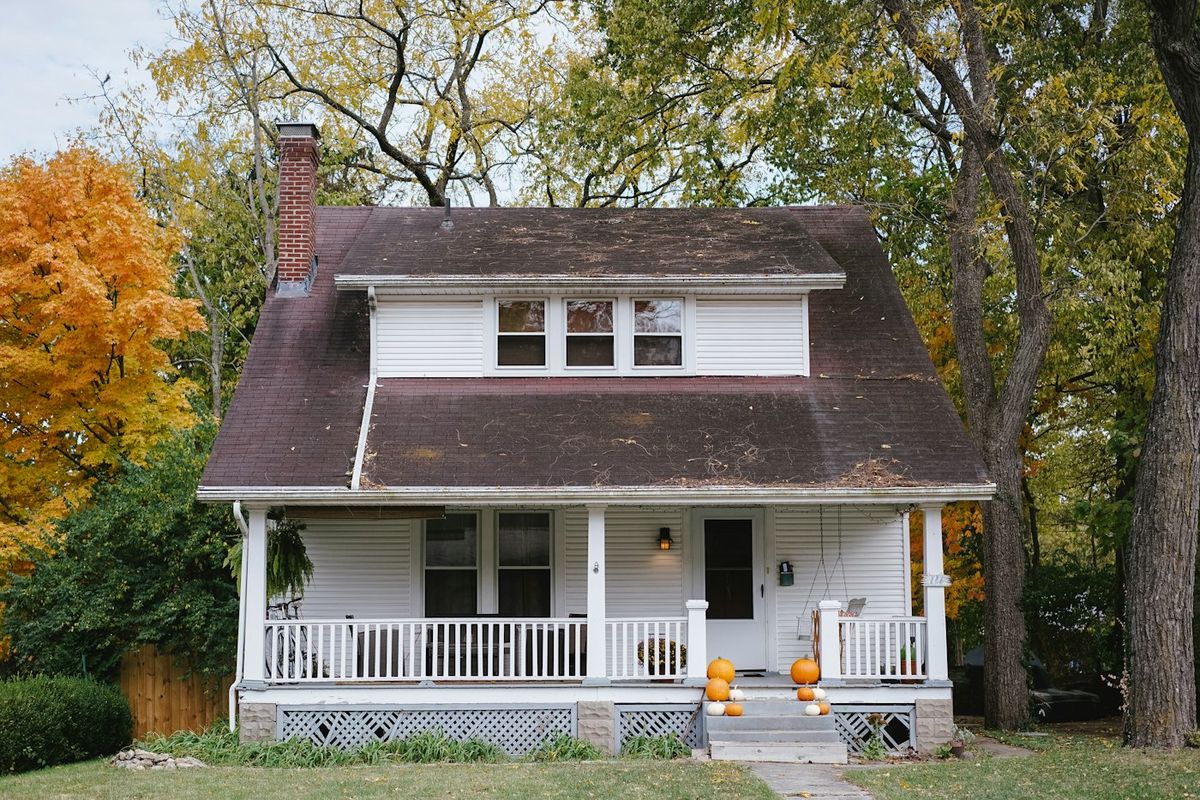
Walk around your home each spring and fall with a notebook. Look at roof surfaces and flashing from the ground (or with binoculars), gutters and downspouts, siding and trim, window and door seals, the foundation line, and any deck or porch. Photograph issues with a date. Early repairs are usually simpler than waiting for a leak or rot to spread.
Roofs
- Common signs of wear include missing, curled, or cracked shingles, granules in gutters, sagging, and stains on ceilings.
- Ventilation and insulation in the attic affect roof lifespan and comfort.
- Ask whether a repair, an overlay, or a full replacement is appropriate for your roof, and why.
- Roof work is risky and weather-dependent. Plan for contingency days and protection of landscaping and the interior.
Siding and trim
Siding materials vary in maintenance needs, durability, and how they respond to local climate. Look for soft spots, peeling paint, gaps, and moisture behind boards. Water is the usual enemy, so details such as flashing, caulk joints, and drainage deserve as much attention as the surface you see.
Windows and doors
Drafts, condensation between panes, and difficulty opening are common signs a window is aging. Compare ratings and construction features, such as those displayed on energy labels, and match the product to your climate. Proper installation, including flashing and sealing, matters as much as the product itself.
Decks, porches, and outdoor spaces
- Check local rules for permits and setbacks before you design a deck or porch.
- Consider how the structure attaches to the house and how it drains.
- Compare materials on upkeep: some need regular sealing, others need little maintenance.
- Think about rails, steps, lighting, and shade for safe, comfortable use.
A deck that is not properly attached or supported can fail. Make sure structural work meets local code and is inspected where required.
Timing and seasons
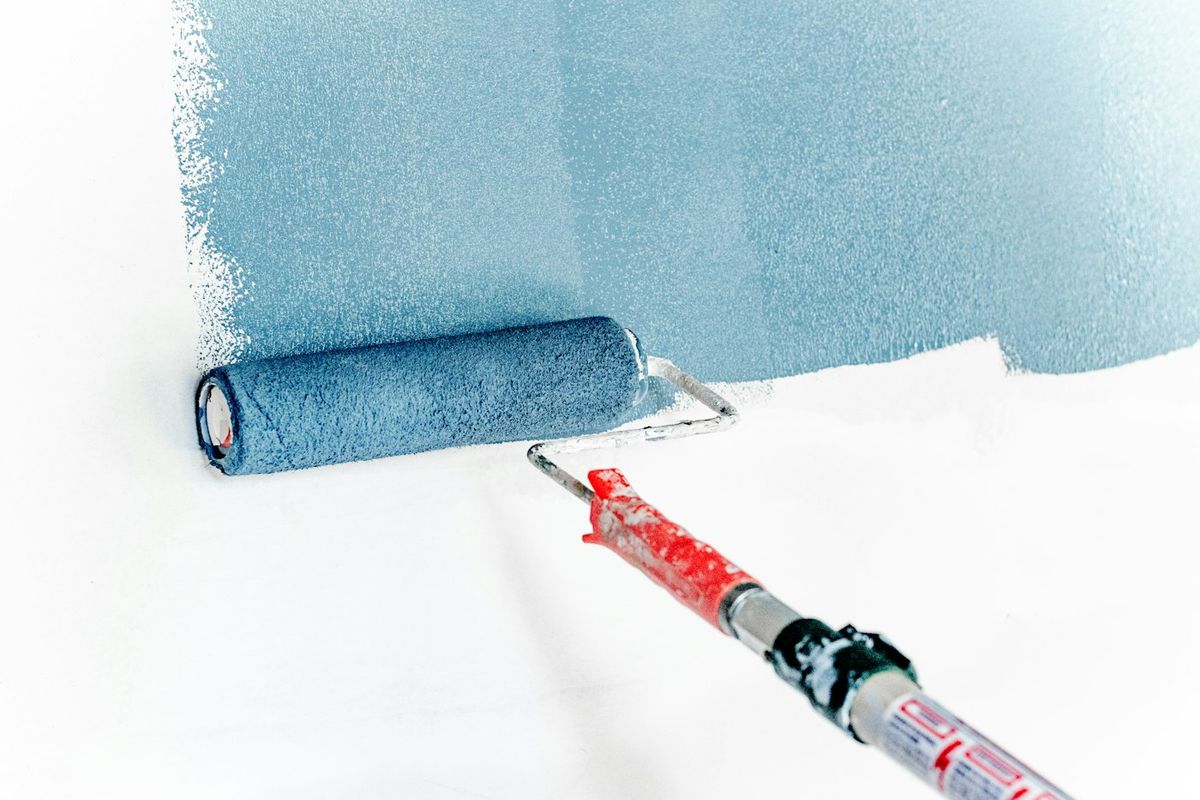
Weather decides what can happen when. Painting and sealing need dry, moderate temperatures. Concrete needs time to cure. Roofing and siding are easier in stable weather. Busy seasons can mean longer waits, so planning ahead often gives you more choices and less pressure.